Healthy habits play an important role in a child’s growth and development. The preschool years are the perfect time to teach children about cleanliness, healthy eating, physical activity, good sleep, and personal hygiene. When these habits are introduced early, children gradually learn to become healthier, more confident, and independent.
At Kidz Villa Play School & Day Care, we believe that learning goes beyond books and classroom activities. Everyday routines also help children develop essential life skills and understand the importance of taking care of themselves.
Why Are Healthy Habits Important for Preschool Children?
Preschool children learn by observing adults, following routines, and participating in daily activities. Teaching healthy habits at an early age helps them understand responsibility and make better choices as they grow.
Simple activities such as washing hands before meals, drinking enough water, eating fruits, and keeping their surroundings clean can make a positive difference in their daily lives.
1. Encourage Healthy Eating Habits
A balanced diet supports children’s growth, energy, and overall development. Parents and teachers can encourage children to enjoy nutritious foods through colourful and interesting meal choices.
Here are some simple ways to develop healthy eating habits:
- Offer fresh fruits and vegetables.
- Include nutritious homemade meals in their daily routine.
- Encourage children to drink enough water.
- Limit sugary snacks and drinks.
- Make mealtimes pleasant and stress-free.
At preschool, children can also learn about healthy foods through conversations, pictures, and fun learning activities.
2. Teach Personal Hygiene and Cleanliness
Personal hygiene is an essential life skill that helps children learn to care for themselves. Teaching hygiene through regular practice makes these activities easier to remember.
Preschool children should learn to wash their hands before eating and after using the washroom, cover their mouth while coughing or sneezing, use a clean handkerchief, and keep their belongings tidy.
Teachers and parents can demonstrate these habits and gently remind children to practise them every day.
3. Make Physical Activity Part of the Daily Routine
Young children need opportunities to move, explore, and play. Physical activities help develop coordination, balance, strength, and social interaction.
Outdoor games, dancing, stretching, running, and age-appropriate movement activities can make exercise enjoyable. Active play also gives children opportunities to interact with friends, follow instructions, and learn teamwork.
At Kidz Villa, playful learning experiences can help children understand that staying active is a fun part of everyday life.
4. Develop a Healthy Sleep Routine
Adequate sleep is important for children’s physical growth, learning, mood, and concentration. A consistent bedtime routine helps children feel relaxed and prepared for the next day.
Parents can establish regular sleeping and waking times, create a calm sleeping environment, and reduce screen time before bedtime. A predictable daily schedule can also help preschoolers feel secure and comfortable.
5. Encourage Good Manners and Emotional Well-Being
Healthy development includes emotional and social well-being, not just physical health. Children should be encouraged to say “please” and “thank you,” share toys, wait for their turn, and express their feelings using words.
Positive encouragement, patient guidance, and supportive interactions help children build confidence and develop healthy relationships with others.
Choosing the Right Play School Near Nawada Metro Station
A supportive preschool environment can reinforce the healthy habits children learn at home. Parents looking for a play school near Nawada Metro Station should consider a school that encourages hygiene, active play, nutritious routines, emotional development, and age-appropriate learning.
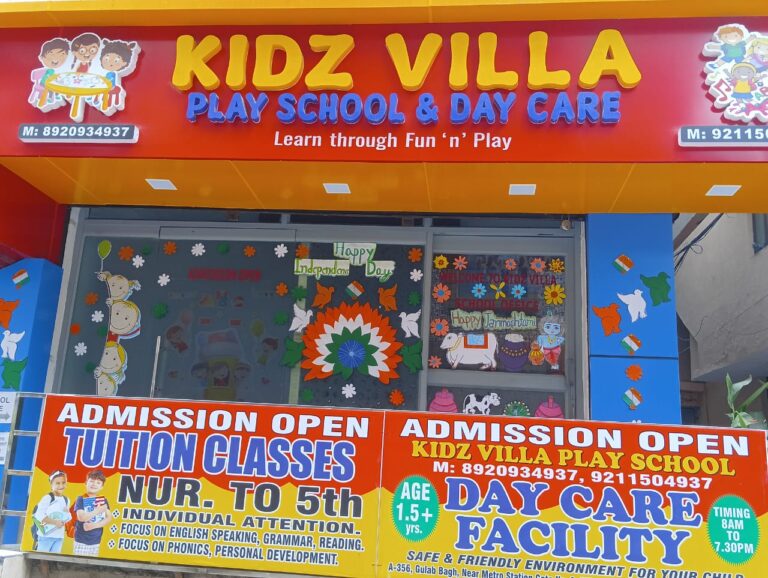
Kidz Villa Play School & Day Care in Gulab Bagh, Uttam Nagar, New Delhi, focuses on creating a caring and child-friendly environment where young learners can explore, play, and develop essential life skills.